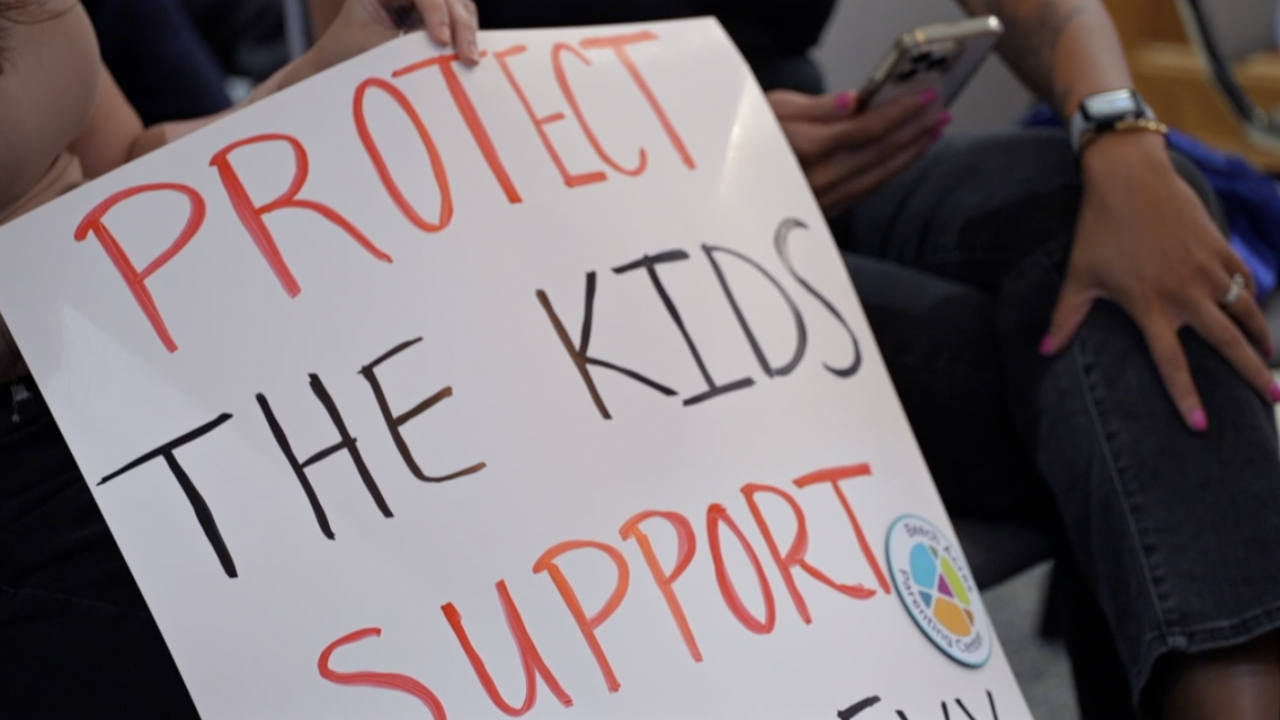
Hamilton County homeowners will pay about $39 more per year per $100,000 of home value for children's services after the Board of Commissioners voted Monday, Aug. 3, to place a four-year, 5.61-mill levy on the Nov. 3 ballot.
Commission President Stephanie Summerow Dumas and Commissioner Denise Driehaus voted yes.Vice President Alicia Reece abstained.
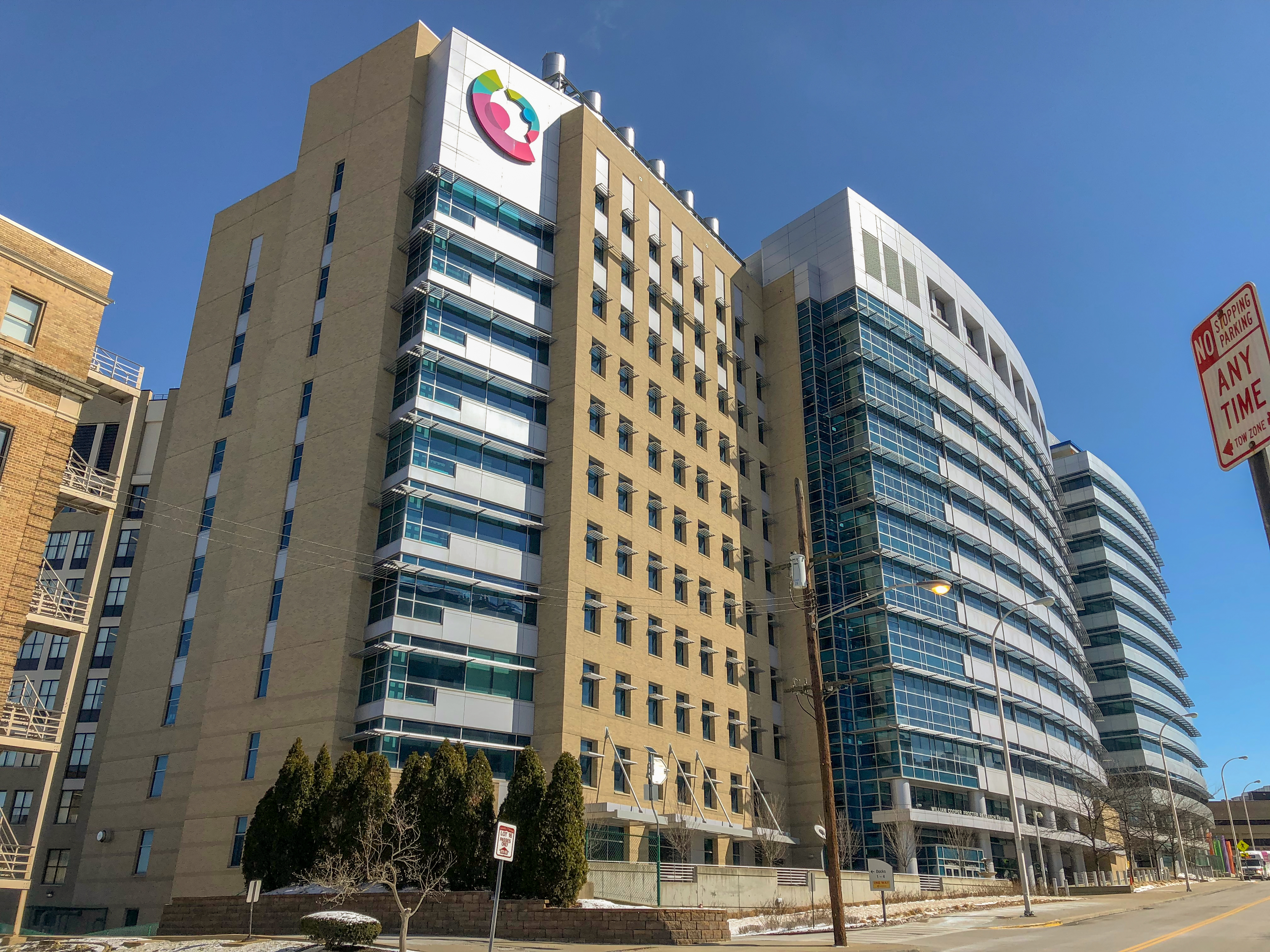
The levy would cost homeowners approximately $121 per $100,000 of home value annually, up from $82 under the current levy, which expires at the end of 2026. If voters approve it, the levy would generate about $117 million per year for Hamilton County Jobs and Family Services, which investigates child abuse, manages foster care and provides safe shelter for more than 13,000 children annually.
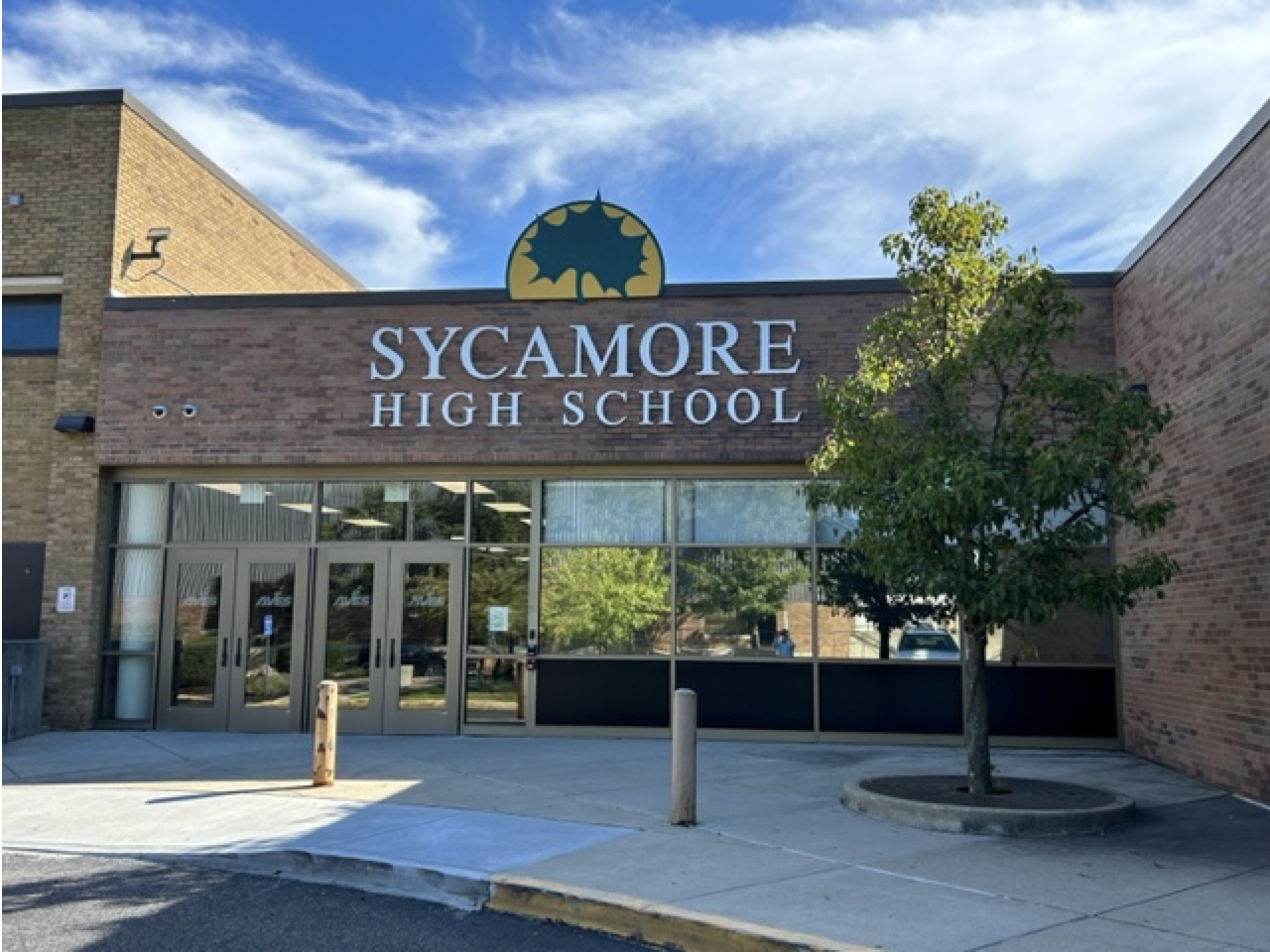
For homeowners in the Sycamore Community Schools district, the increase stacks on top of a separate 6.95-mill school levy already certified for the same ballot. That levy would cost $243 per $100,000 of home value. Together, a homeowner with a $300,000 home in Montgomery, Blue Ash or Sycamore Township would face roughly $1,092 in new annual property taxes if both levies pass.
The 15 options on the table
The board had 15 options before it, ranging from the Tax Levy Review Committee's recommended 6.57 mills ($157 per $100,000) down to Reece's preferred 4.78 mills ($91 per $100,000). The approved 5.61-mill option falls below what the committee said JFS needs to cover all mandated services but above Reece's proposal to subsidize a smaller levy with stadium sales tax revenue.
"We have to do our work to make this as low as possible," Driehaus said at Monday's meeting. "We cut it in half. So, we have done our work to try to put something in front of the voters that's as low as we can go, and yet provide stability for kids in this community."
County attorneys and bond counsel concluded that redirecting stadium sales tax money to children's services would violate state law because of bond indenture requirements. Reece disputes that conclusion, saying three attorneys told her the word "primarily" in the bond language leaves room for a portion of funds to be redirected.
Reece's objection
Reece did not join Dumas and Driehaus at the post-vote news conference. At a July 30 commissioners meeting, she framed her opposition this way: "There is a mixed messaging that when it comes to stadiums and billionaires, we tend to get creative, and we fund them long-term … But when it comes to our children, we say we want to do stuff for our children. We love them, but then we put the burden on the homeowners who are already struggling."
She had walked out of a July 29 staff meeting after her calls for alternative funding were met with resistance from county administration.
Why the agency needs more money
JFS has already cut $36 million from its budget. The agency's fund balance dropped 71%, from $145.8 million in 2021 to $41.9 million in 2025. Foster care placement costs have risen more than 90% since 2021 and now account for half of annual levy spending. Ohio contributes just 18% of child welfare costs, second-lowest in the nation against a 42% national average.
Summerow Dumas called on the state to step up, noting Ohio's rainy day fund stands at $3.94 billion. The four-year term, shorter than the typical five years, was chosen so the county can "readjust things" if needed, she said.
What's next
The levy must be submitted to the Hamilton County Board of Elections by 4 p.m. Wednesday, Aug. 5. If voters reject it Nov. 3, the county would have zero levy revenue for children's services and would need to draw from its general fund.