Ohio Attorney General Andy Wilson endorsed Flock license-plate reader cameras on Wednesday, Sept. 16, calling them among the most valuable law enforcement tools of his career.
The statement gives state-level backing to a technology Blue Ash has kept running while neighboring jurisdictions shut theirs down. It is the first from a statewide official since Hamilton County Sheriff Charmaine McGuffey paused all 75 of the county's Flock cameras on Sept. 3.
Independence, Fort Mitchell and Florence (Ky.) have also ended their contracts, WLWT reported.
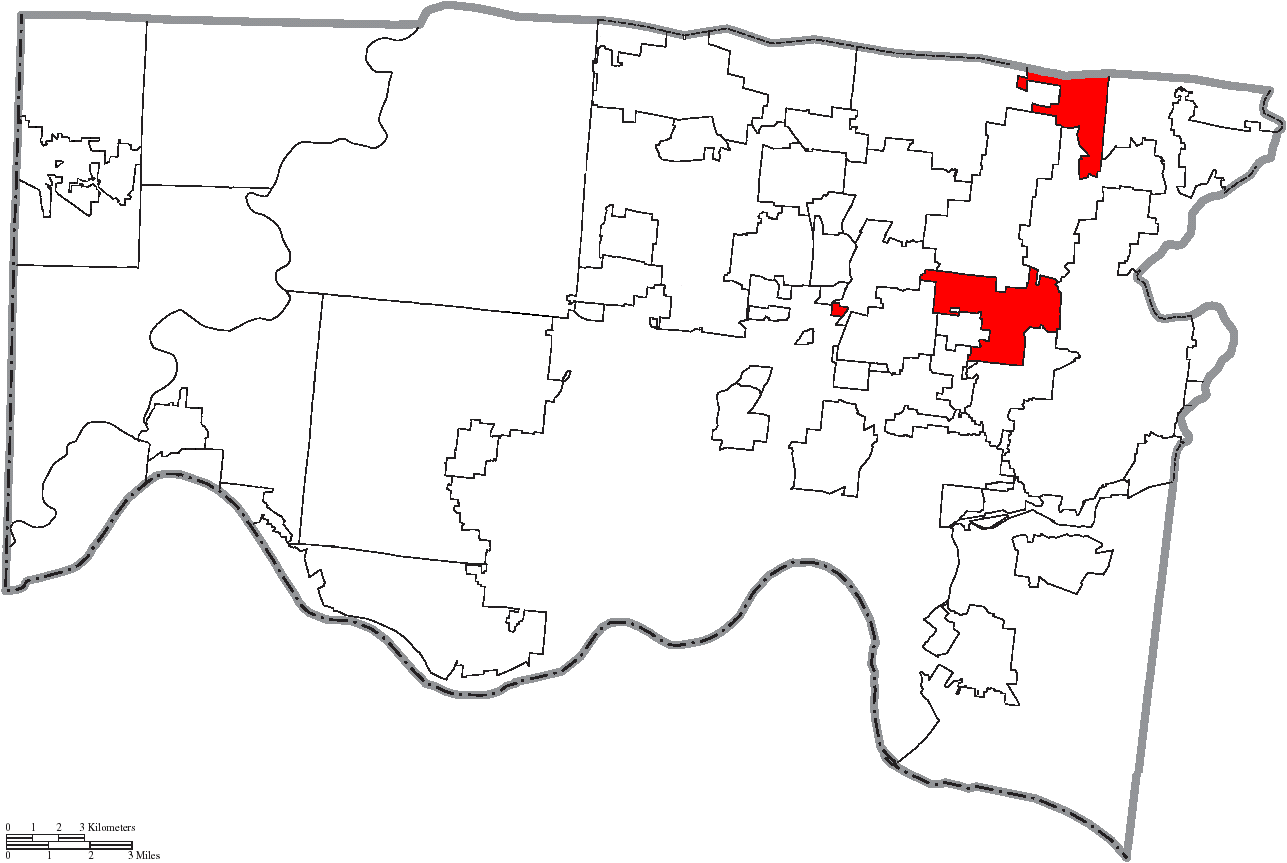
Blue Ash is among more than a dozen Greater Cincinnati communities still operating the cameras, as we reported Sept. 4. No public statement from the Blue Ash Police Department on its Flock program or any plans to review the contract had appeared in available records as of that date.
Wilson, in his statement, drew a line between the technology and the people using it. He said Flock cameras are identification tools that assist criminal investigations, not surveillance tools.
The technology has helped solve thousands of cases in Ohio, Wilson said, including tracking violent criminals and locating missing children.
"By and large, Flock is used appropriately and effectively to accomplish a great deal of good," Wilson said. "But, like any other high-tech tool that law enforcement depends on, it is only as effective as the person operating it and interpreting the data."
He acknowledged that some officers have misused the cameras and that recent cases drew media attention. But he said law enforcement agencies themselves identified those problems through internal auditing.
Wilson called on the Ohio General Assembly to make misuse of Flock a crime. He pointed to existing law that makes unauthorized use of the Ohio Law Enforcement Gateway, known as OHLEG, a fifth-degree felony requiring convicted officers to surrender their badges. That standard, Wilson said, should serve as a baseline for new legislation.
No bill number or hearing date for such legislation has been announced.
Ohio currently has no statewide law capping how long license-plate reader data can be retained or requiring regular audits, according to Hoodline. Individual cities and counties set their own rules.
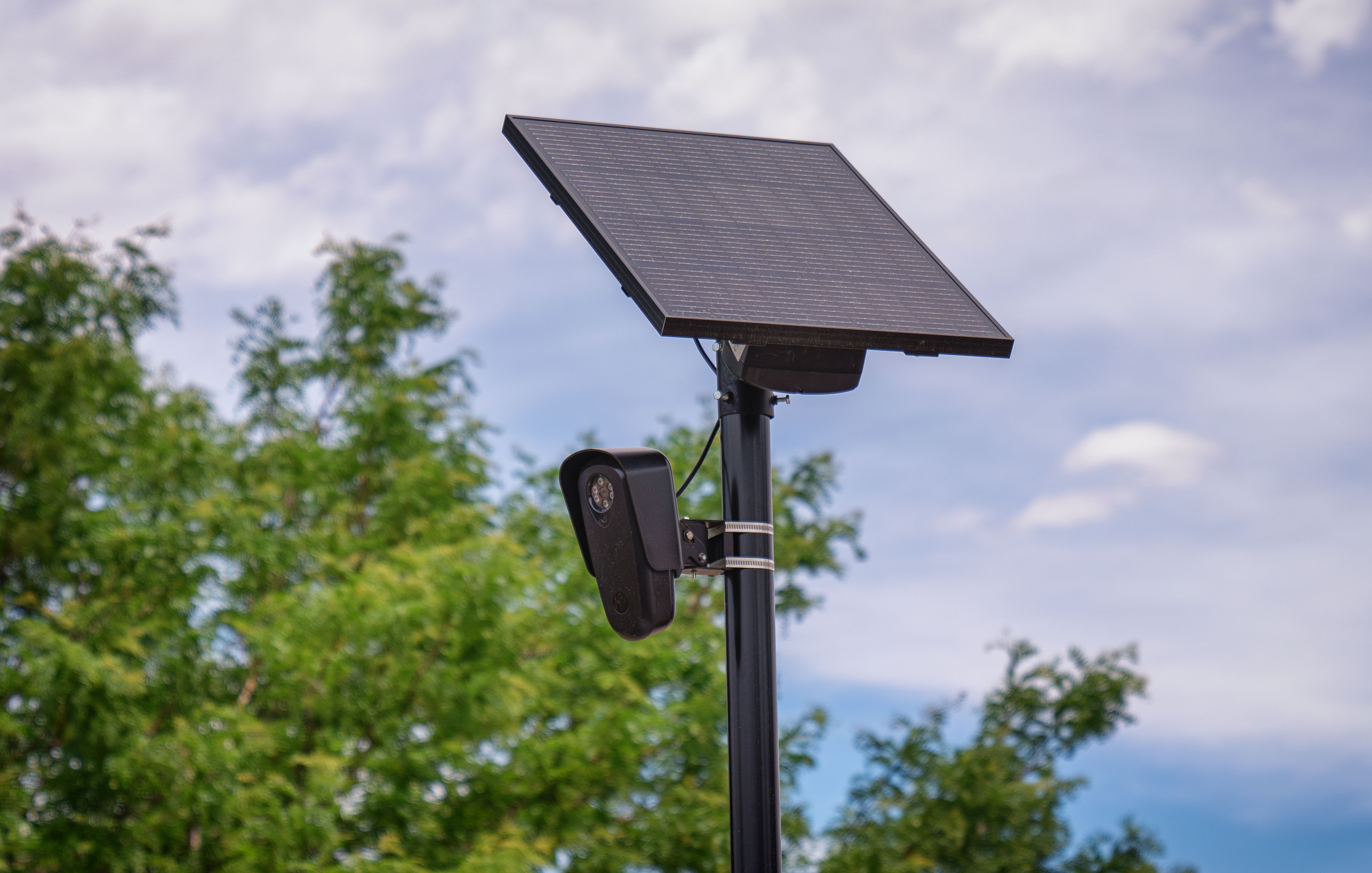
The cameras photograph vehicles and license plates and can alert officers when a plate matches a stolen-car report, a missing-person case or an active investigation. Local police agencies say the cameras are not used to issue speeding or red-light tickets.
More than 8,000 Flock cameras are installed across Ohio, according to the volunteer tracking group DeFlock. Nationally, 144 local governments had canceled automated license-plate reader contracts as of Aug. 31, according to a database from the Institute for Justice.
McGuffey said on Sept. 3 that her office was pausing until stronger guardrails were in place. Hamilton County's 75-camera network, which grew from an initial 25 funded by a grant in 2022, costs roughly $225,000 a year to maintain, according to Hoodline. Townships and municipalities pay the county back for cameras in their areas, according to WCPO.
Wilson's statement addressed the guardrails question directly but stopped short of telling local agencies whether to keep or pause their cameras. The next move sits with the General Assembly.