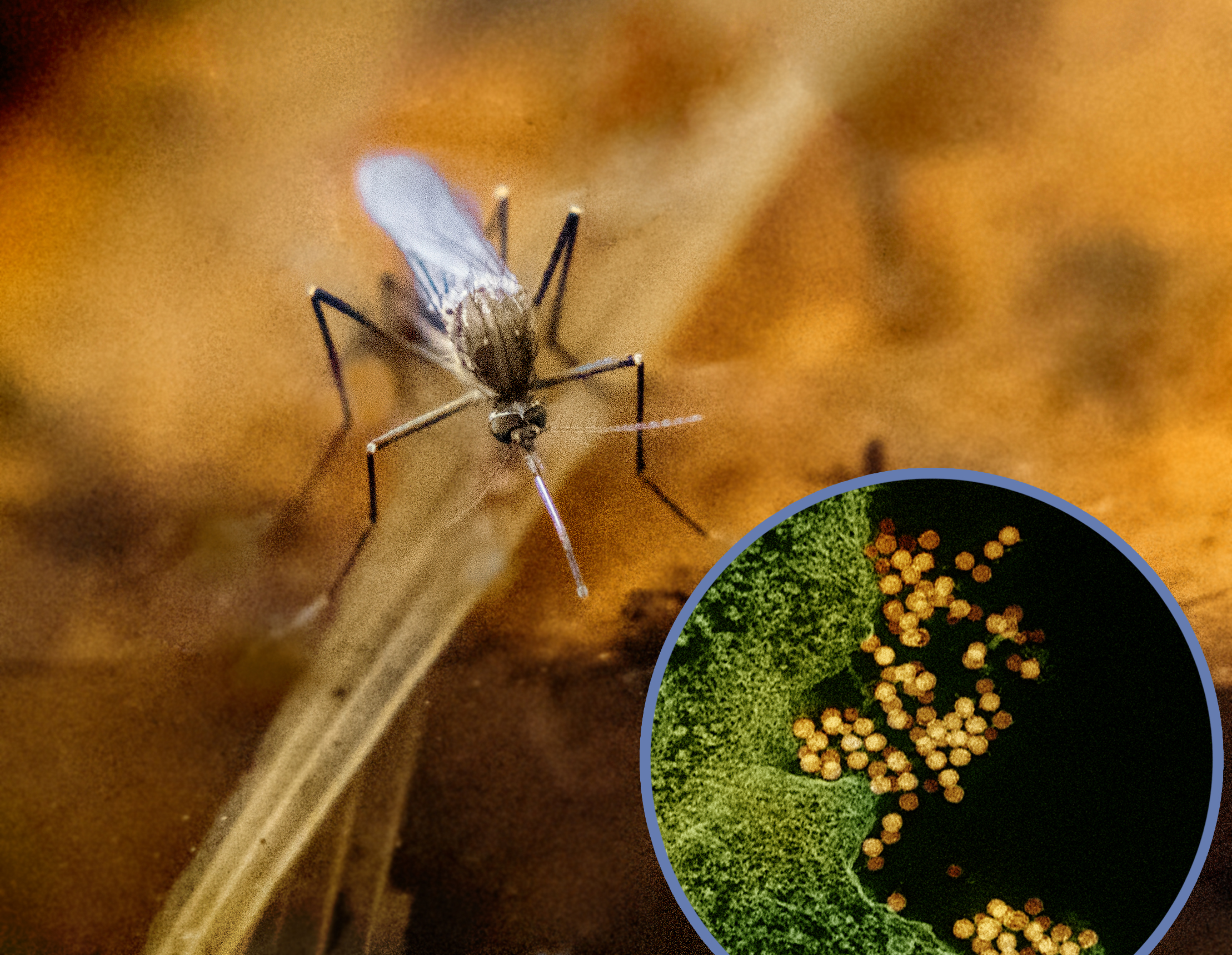
Hamilton County's first human case of West Nile virus in 2026 has been confirmed in the Symmes Township area, Hamilton County Public Health announced Monday, Oct. 5.
The agency said it was notified of the suspected case on Sept. 17 and received confirmation the same day. Since then, staff have reviewed the patient's medical records and recent activities to determine whether the infection was acquired locally or linked to travel. That determination had not been made as of the announcement.
Symmes Township sits just east of Montgomery, Blue Ash and Sycamore Township. The health department's jurisdiction covers all of Hamilton County except Cincinnati, Norwood and Springdale.
West Nile virus attacks the central nervous system and spreads through the bite of an infected mosquito. It is not contagious. Most people bitten by an infected mosquito will not get sick. Those who do typically experience flu-like symptoms: fever, headaches, body aches, joint pain or rash. Recovery is usually complete, though fatigue and weakness can linger for weeks or months.
People with weakened immune systems, chronic medical conditions or advanced age face the highest risk of severe illness or death. There is no treatment for the virus.
The human case follows an earlier detection in the county's mosquito population. A pool of mosquitoes trapped July 30 in Green Township tested positive for West Nile, with the Ohio Department of Health confirming the result Aug. 26, as WLWT first reported. Environmental health specialists treated standing water in that area with larvicide and distributed prevention materials to residents.
In 2025, Hamilton County recorded one locally acquired human case of West Nile, confirmed by the CDC on Sept. 22, 2025, along with three positive mosquito samples.
Mosquitoes remain active in Ohio through October and persist until temperatures drop below 50°F or the season's first frost arrives. The agency recommends a three-step approach it calls "Drain, Dunk, Protect":
- Drain standing water from gutters, birdbaths, toys, tires and other outdoor containers.
- Dunk larvicide tablets into standing water that cannot be drained.
- Protect yourself by wearing loose, light-colored clothing and applying EPA-registered insect repellent containing DEET, picaridin, IR3535, oil of lemon eucalyptus or para-menthane-diol.
The agency also advises residents to avoid outdoor activity at dawn and dusk, when mosquitoes are most active, and to replace water in birdbaths and pet dishes at least weekly.