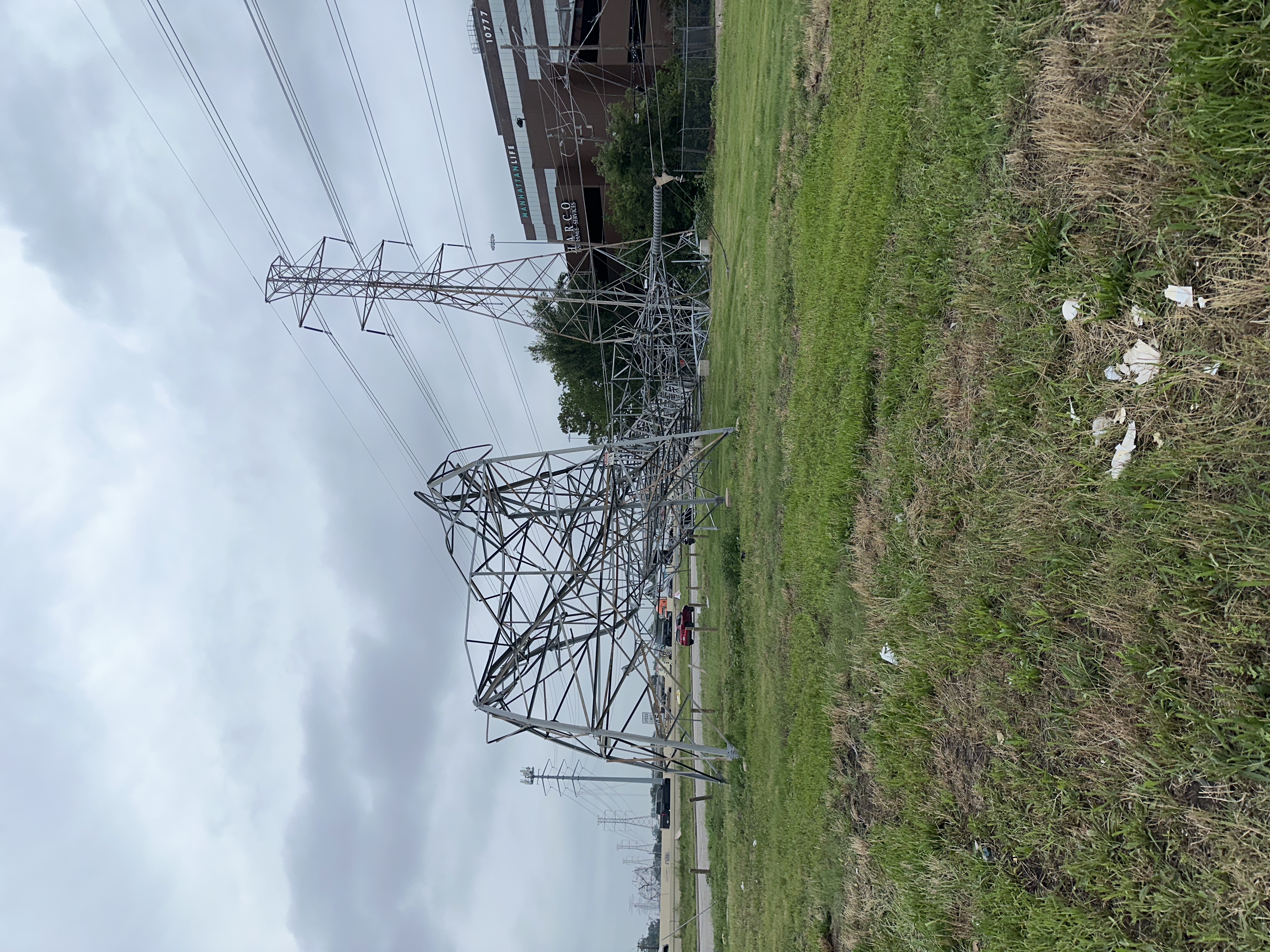
The Storm Prediction Center confirmed Wednesday, Aug. 12, that the severe storms that tore through Greater Cincinnati on Tuesday afternoon were a derecho, a rare straight-line windstorm that originated in Iowa and traveled more than 600 miles before slamming into the region.
The federal agency had initially classified the system as a preliminary derecho only as far as northern Indiana. On Wednesday, the SPC concluded there was sufficient evidence that the same cold pool driving the storm continued into the Cincinnati area and eastern Kentucky, WLWT meteorologist Allison Rogers reported.
The classification gives a name to what residents across Greater Cincinnati experienced Tuesday: downed trees, snapped power lines and damaging winds that were part of a system packing gusts up to 99 mph, recorded in Gary, Indiana, according to the National Weather Service. Sycamore Township declared a storm damage emergency on Tuesday, Aug. 11, its second such declaration in less than two weeks after a previous one on Saturday, Aug. 1.
Duke Energy called the storms "a very significant event." As of Wednesday, roughly 100,000 customers across Greater Cincinnati remained without power, down from a peak of more than 172,000 at the height of the storm Tuesday afternoon. Crews worked through Tuesday night to restore service and clear trees from lines.
Flash flooding compounds the damage
Heavy rain following the derecho dumped 5 to 7 inches on some Greater Cincinnati communities on Wednesday alone, triggering flash flooding across the region. That exceeded the 2 to 4 inches forecasters had warned about Tuesday. The flash flood threat remained active through Wednesday evening.
Derechos are uncommon in the Cincinnati area. The last one to affect the region passed through areas north of Cincinnati in 2012. The American Meteorological Society defines a derecho as a widespread straight-line windstorm producing sustained severe winds of 58 mph or higher, with at least five measured gusts of 75 mph or higher separated by 50 miles.
The classification will remain "preliminary" until 2027, when the SPC finalizes all 2026 storm data.
What residents should know
Residents without power can report outages to Duke Energy by calling 1-800-543-5599 or texting "OUT" to 57801. Status updates are available by texting REG to 57801 or at duke-energy.com/outagealerts.
The flash flood threat was expected to continue through Wednesday evening, Aug. 12.