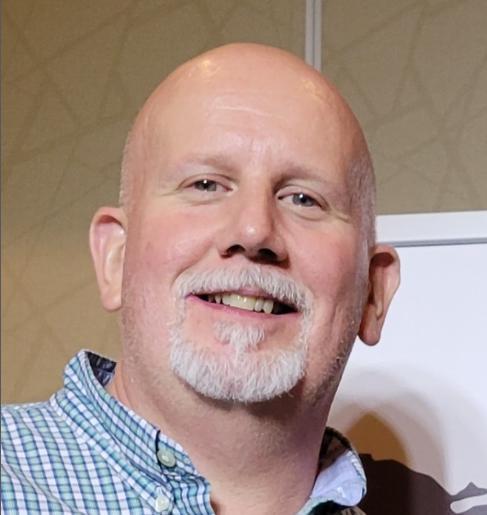
Libertarian Don Kissick is running for Ohio governor with James L. Mills in the Nov. 3, 2026, election.
The secretary of state’s ballot directive lists three printed tickets: Democrats Amy Acton and David Pepper, Republicans Vivek Ramaswamy and Robert A. McColley, and Libertarians Don Kissick and James L. Mills. Governor and lieutenant governor run together; voters choose a ticket. The county’s current certified list also includes qualified write-in tickets.
Background
In his submitted questionnaire, Kissick said he lives in Ottawa, works as a television master-control operator in Lima and has worked in manufacturing and HVAC. He said he studied technical communication at Ferris State University and served six years in the Navy, reaching petty officer second class. The Libertarian Party’s biography corroborates his Navy service and Ottawa residence.
He said he has not held elected public office and has served in county and state Libertarian Party leadership.
On the issues
Property taxes: Kissick’s questionnaire identifies affordability as his top priority. He proposes beginning with about a 25% reduction in property taxes on owner-occupied homes and family farms, then phasing them out as sustainable replacement funding is identified. He says the state should assume more school-funding responsibility while protecting local services and existing debt obligations.
Schools and vouchers: He supports the Fair School Funding Plan, evidence-based literacy instruction, fewer unnecessary tests and administrative mandates, and expanded civics, financial literacy and career training. He supports parental school choices but would target voucher assistance toward lower- and middle-income families and students with unmet educational needs, with transparency requirements for schools receiving public money.
Housing and business: Kissick favors fewer construction, licensing and regulatory barriers, redevelopment of abandoned properties, and review of corporate subsidies and tax incentives.
Data centers: He proposes pausing new construction until affected communities have meaningful input. He says developers should disclose resource use, incentives and jobs and cover their own energy, water and infrastructure costs. He opposes using eminent domain primarily for private data-center development.
Public safety: He supports police training and targeted action against violent crime, trafficking and organized crime, alongside mental-health, addiction and reentry services. He calls for limits, audits and judicial oversight of surveillance technology.
These proposals come from his original questionnaire response, received Sept. 29, 2026. His joint campaign website emphasizes individual liberty, transparency and accountability. The proposals are not descriptions of laws already enacted.