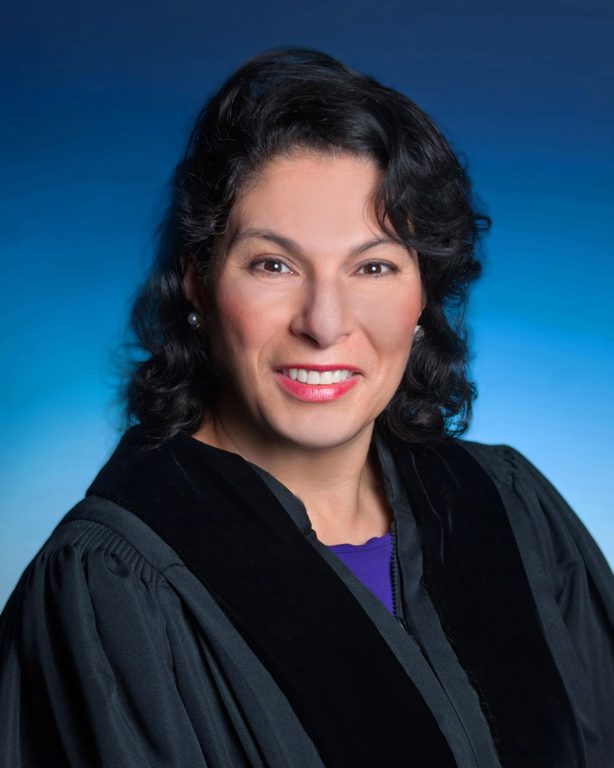
James Mills, a Cincinnati-area financial services CEO, is running for Ohio lieutenant governor on the Libertarian ticket alongside gubernatorial candidate Don Kissick in the 2026 general election.
Mills said he entered politics because he was "tired of picking my poison" between the two major parties. He said he wants government to be more transparent, accountable and focused on the people it serves.
Candidate information
- Office sought: Ohio Lieutenant Governor
- Party: Libertarian
- Running mate: Don Kissick
- Residence: Warren County, Ohio
- Education: Bachelor's degree in political science and economics with a minor in Spanish, University of Cincinnati; Master of Business Administration, Xavier University
- Professional designation: Chartered Retirement Planning Counselor (CRPC)
- Family: Married with two children; grew up in Cincinnati as one of five children, including two sets of twins
Experience and public service
Mills is CEO and co-founder of Ironvest Financial Partners, where he works with individuals, families and businesses on financial planning, retirement and employee-benefit strategies, according to his Libertarian Party candidate profile. His career in financial services has included roles with Nationwide, Western & Southern, PNC and Brokerage Solutions.
Earlier in his career, Mills served through AmeriCorps, helping develop programs for a homeless shelter. He said that experience had a lasting impact on how he views service and the challenges facing people who are struggling financially.
Within the Libertarian Party of Ohio, Mills has served as vice chair and field development director. He currently chairs the Warren County Libertarian Party.
On the issues
The following positions are drawn from Mills' responses to a Surround Sound News questionnaire and from the Kissick/Mills campaign platform.
Property taxes and budget: Mills and Kissick said their goal is to completely eliminate property taxes on owner-occupied homes and family farms without defunding schools, police or fire departments. They would begin with roughly a 25% reduction and continue phasing them out as replacement funding is identified. The campaign supports replacing property taxes with local consumption-based taxes. Mills said the process would include a comprehensive review of state spending, Lottery education dollars, corporate subsidies and administrative costs to identify inefficiencies.
Government transparency and ethics: Mills said he supports a publicly searchable database showing state contracts, lobbying activity, major expenditures, incentives and meetings involving public officials. He said he would strengthen Ohio's Sunshine Laws, limit the use of nondisclosure agreements in public business and require meaningful disclosure of conflicts of interest. The campaign also wants to ban legislators from becoming lobbyists for five years after leaving office.
Role of lieutenant governor: Mills said he and Kissick see the position as an active partnership, not a ceremonial role. His responsibilities would focus on small-business growth, economic and community development, government transparency and connecting the administration with communities across Ohio. He said voters should judge his success by measurable results: fewer barriers for small businesses, greater transparency in state spending and stronger locally driven economic development.
Small business and economy: The campaign wants to simplify licensing and regulation for small businesses, gig workers, tradespeople and in-home childcare providers. Mills said he would work with entrepreneurs, chambers of commerce, local governments and economic-development organizations to reduce barriers to starting and growing businesses.
Immigration: The campaign said due process applies to everyone and that immigration enforcement should be civil, not militarized. The ticket supports a straightforward path to citizenship for those in the country illegally, with violations handled as infractions with escalating fines rather than indefinite detention. Deportation should only follow repeated, proven noncompliance, the campaign said.
Ohio's general election is Nov. 3, 2026.